The South Slave Region of the Diocese of Mackenzie–Fort Smith occupies the southernmost portion of the diocese in the Northwest Territories and holds a distinctive place in its pastoral, historical, and spiritual life. Shaped by the waters of Great Slave Lake, the Slave River, and the boreal forests that stretch toward the Alberta border, this region has long been a crossroads of peoples, cultures, and missions. It is here that the diocese finds both its historical roots and its present-day cathedral, making the South Slave a natural heart of diocesan life.
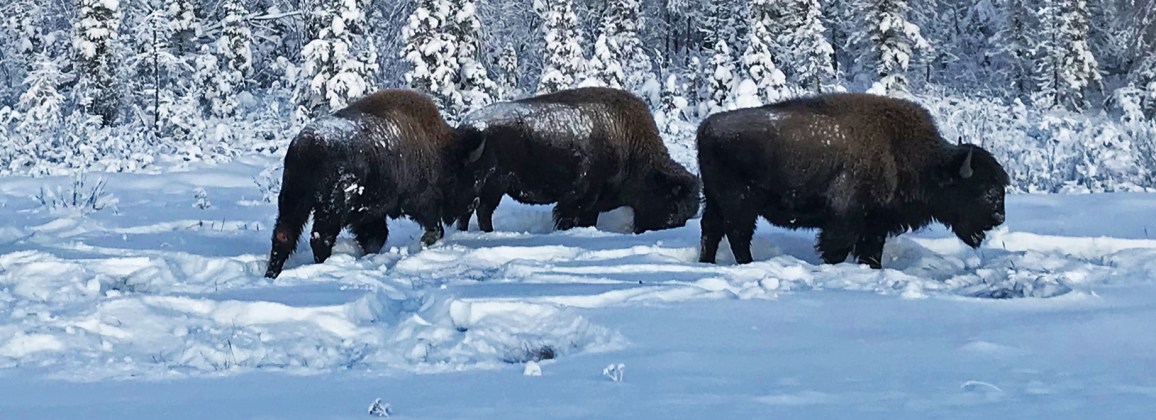
Geographically, the South Slave Region includes communities such as Fort Smith, Hay River, Fort Resolution, Fort Providence, Kakisa, Katlodeeche First Nation and surrounding smaller settlements. These communities are connected by river systems, highways, and seasonal travel routes that have been used for generations by Indigenous peoples. The land is rich with spiritual meaning, providing sustenance through fishing, hunting, and trapping, and grounding community life in a deep relationship with creation. The rhythms of the seasons continue to shape daily life and pastoral ministry alike.
The people of the South Slave Region are primarily Dene, particularly Chipewyan (Denesųłiné) and South Slavey peoples, alongside Métis and non-Indigenous residents who have come for work, family, or service. Indigenous languages, traditions, and worldviews remain central to community identity. In recent years, the Church’s presence in the region has been increasingly marked by a commitment to Truth and Reconciliation, listening, and healing, as communities and parishes work to address the legacy of residential schools and to build relationships rooted in respect and humility.
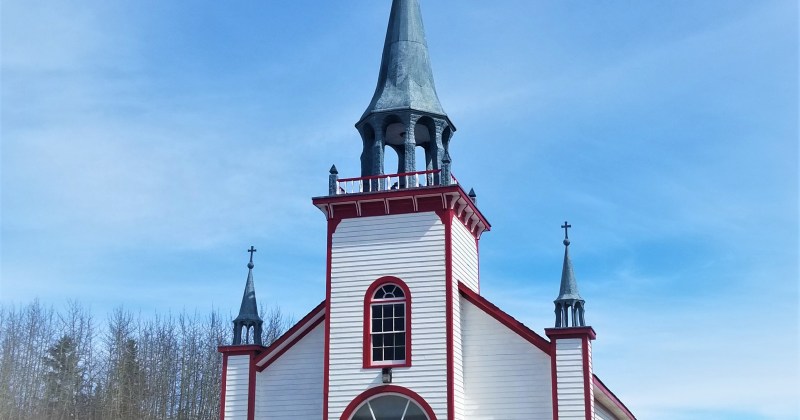
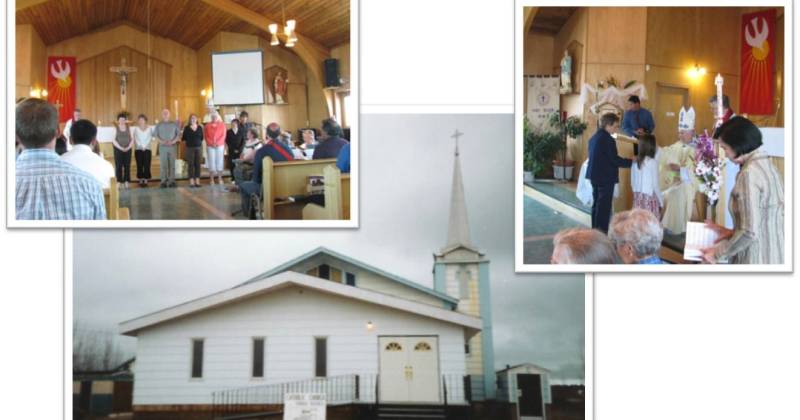
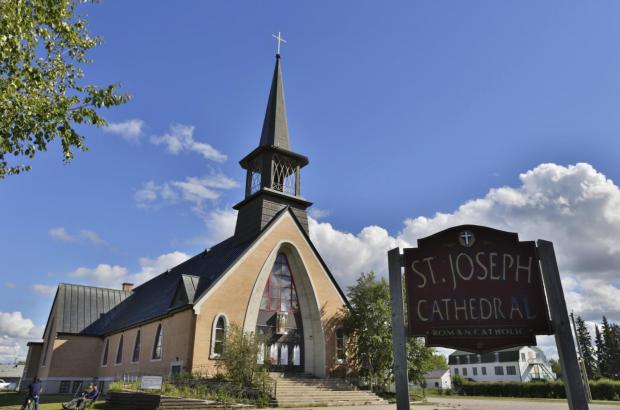
Pastorally, the South Slave Region is anchored by St. Joseph Cathedral in Fort Smith, the cathedral church of the diocese and the seat of the bishop. Parish life in the region is characterized by small but vibrant faith communities, where the celebration of the Eucharist, the sacraments, and seasonal devotions are closely tied to local realities and community life.
The South Slave Region has a long missionary history, with Catholic presence dating back to the nineteenth century. Missionaries traveled by canoe, dog team, and later by riverboat and road, accompanying communities across great distances. While this history includes dedication and service, it also carries painful chapters connected to colonialism and residential schools. Today, the Church in the South Slave seeks to hold this history honestly, fostering spaces for remembrance, dialogue, and renewed relationships.
In contemporary times, pastoral ministry in the South Slave Region is both rooted and adaptive. Priests, deacons, religious, and lay pastoral workers serve multiple communities, often traveling long distances to celebrate the sacraments and support local leaders. There is a growing emphasis on empowering lay ministry, incorporating Indigenous languages and symbols into liturgy where appropriate, and caring for creation in a region where the impacts of climate change are increasingly visible.
In sum, the South Slave Region of the Diocese of Mackenzie–Fort Smith is a place where land, people, and faith are deeply intertwined. Grounded in ancient Indigenous presence and shaped by a complex missionary history, it continues to be a region of encounter—between cultures, between past and future, and between the Church and the living realities of the North. Through accompaniment, reconciliation, and hope, the South Slave Region remains a vital and enduring part of the diocesan family.
 Mackenzie-Fort Smith