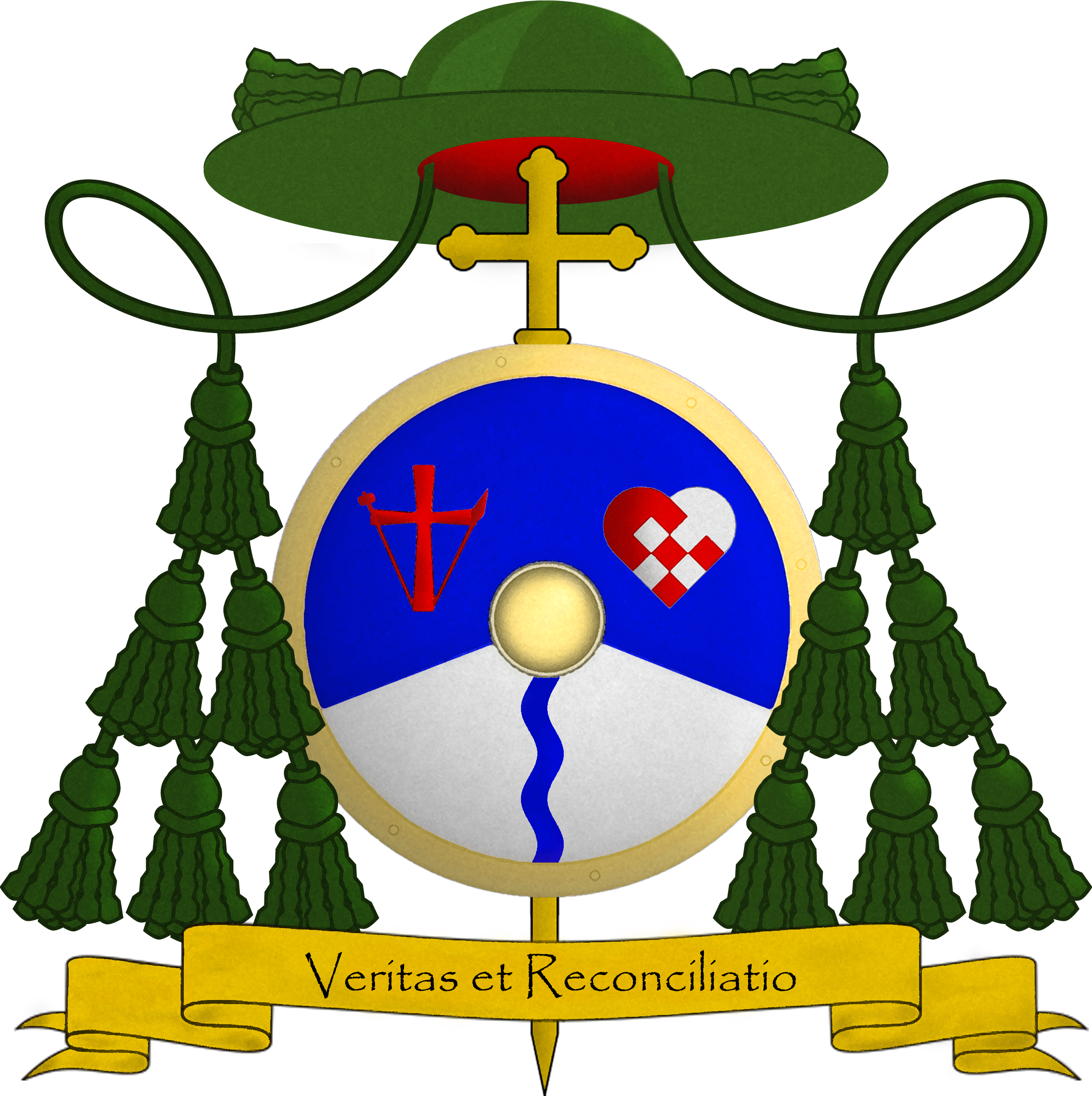
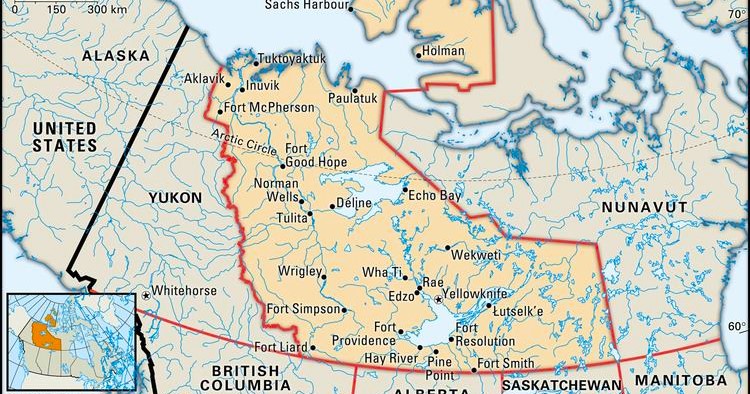
The Diocese of Mackenzie–Fort Smith is one of the largest and most geographically expansive Catholic dioceses in the world, stretching across vast portions of Canada’s western and central Arctic. To serve communities spread over immense distances and shaped by distinct cultures, languages, and landscapes, the diocese is organized into five pastoral and geographic regions. These regions reflect both the physical geography of the North and the lived realities of the peoples who call it home, allowing pastoral ministry to be attentive, responsive, and rooted in place.
The South Slave Region lies in the southern part of the diocese and is centered on the communities around Great Slave Lake, including Fort Smith, Hay River, Fort Resolution, and nearby areas. This region is home to St. Joseph Cathedral in Fort Smith, the cathedral church of the diocese. With a mix of Dene communities and larger service centers, the South Slave Region often serves as a pastoral and administrative hub. Ministry here includes parish life, education, health care chaplaincy, and diocesan gatherings, all carried out in a context shaped by both long-established Indigenous traditions and more recent settlement patterns.
North of Great Slave Lake is the North Slave Region, anchored by the territorial capital, Yellowknife, where St. Patrick’s Co-Cathedral is located. This region includes Yellowknife and surrounding communities such as Dettah and Ndilǫ. The Tłı̨chǫ communities—Behchokǫ̀, Whatì, Gamètì, and Wekweètì—are located to the northwest and north of Yellowknife, around the north shore of Great Slave Lake and extending inland.
To the northwest lies the Dehcho Region, following the course of the Mackenzie River as it flows south of the Arctic Circle. Communities such as Fort Simpson, Wrigley, Jean Marie River, and Trout Lake form part of this region. The Dehcho is deeply shaped by river systems, forests, and the seasonal rhythms of the land. Many communities are predominantly Dene, and pastoral ministry here often involves travel by road, river, or air. The Church’s presence is closely woven into community life, emphasizing accompaniment, listening, and faith expressed through local culture and language.
Further north is the Sahtu Region, centered around Great Bear Lake and including communities such as Norman Wells, Tulita, Deline, and Fort Good Hope. This region is vast, remote, and profoundly connected to the land and water. The Sahtu Dene and Métis have a strong spiritual relationship with their territory, and pastoral ministry takes place within this context of deep tradition and resilience. The Church’s work here is often itinerant, with priests and pastoral workers traveling between communities to celebrate the sacraments, support local leaders, and share in the life of the people.
The northernmost portion of the diocese is the Arctic and Mackenzie Delta Region, encompassing the delta of the Mackenzie River and the Arctic coast. Communities such as Inuvik, Aklavik, Fort McPherson, Tsiigehtchic, and Tuktoyaktuk belong to this region. It is home to the iconic Our Lady of Victory “Igloo Church” in Inuvik, a symbol of the Church’s adaptation to northern life. This region includes Gwich’in, Inuvialuit, and other Indigenous peoples, and pastoral ministry here is shaped by extreme climate, long distances, and strong communal bonds. Faith is lived in close relationship with the land, the seasons, and the enduring strength of northern cultures.
Together, these five pastoral and geographic regions—South Slave, North Slave, Dehcho, Sahtu, and Arctic/Mackenzie Delta—form a mosaic of landscapes and peoples within the Diocese of Mackenzie–Fort Smith. While each region is distinct, all are united by a shared commitment to proclaiming the Gospel in ways that respect local cultures, honor Indigenous traditions, and respond to the unique challenges and blessings of life in the Canadian North.

 Mackenzie-Fort Smith