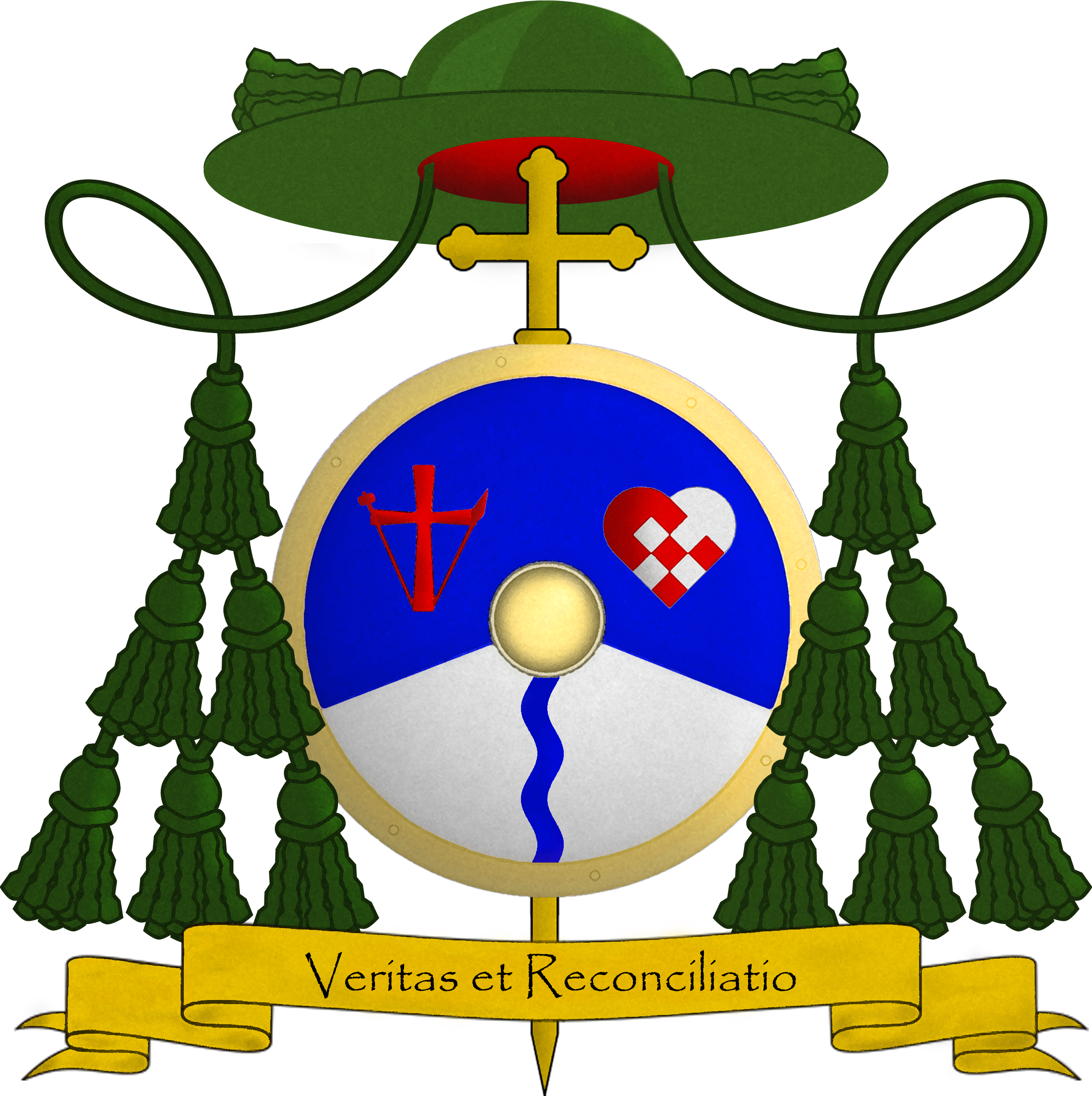

The Heart of Our Diocese
For a closer look at individual parishes and missions please see the Pastoral Regions section of our website.
Parishes and missions have long stood at the heart of the Diocese of Mackenzie–Fort Smith, shaping both its history and its continuing life in the vast and often challenging landscape of northern Canada. From the earliest days of evangelization to the present moment, these local communities of faith have been more than administrative units of the Church. They have been places of encounter, resilience, cultural exchange, and spiritual belonging, anchoring Catholic life across immense distances and diverse peoples.
Historically, the diocese was built mission by mission, often along the rivers, trading routes, and seasonal travel corridors that sustained Indigenous life in the North. Missionaries, many of them members of religious orders, established small chapels and mission stations that became centres of worship, education, and social life. These missions were frequently the first permanent structures in emerging settlements and played a significant role in the formation of communities such as Fort Smith, Fort Providence, Inuvik, and countless smaller places throughout the Arctic, Sahtu, Decho, and Slave regions. In an environment marked by isolation, extreme climate, and limited infrastructure, missions provided stability and continuity, offering the sacraments, pastoral care, and a sense of connection to the wider Church.
Parishes developed over time as populations grew and communities became more settled. They became enduring signs of the Church’s presence, often built and maintained through the shared effort of local people. In many northern communities, parish churches are among the most recognizable landmarks, serving as gathering places not only for liturgy but also for community meetings, celebrations, and moments of collective grief or hope. Through baptisms, marriages, funerals, and feast-day celebrations, parishes have accompanied families across generations, marking the rhythms of life and faith in places where continuity itself is a gift.
The importance of parishes and missions in the Diocese of Mackenzie–Fort Smith is also inseparable from their relationship with Indigenous peoples. While this history is complex and includes moments of deep pain and injustice, local parishes and missions have also been places where faith was received, adapted, and lived in ways that reflect Indigenous languages, traditions, and worldviews. Today, many communities continue to express Catholic faith through a blend of sacramental life and cultural practices, demonstrating that parishes and missions are not static institutions but living communities shaped by the people who call them home.
In the present day, the role of parishes and missions has taken on new significance amid changing realities. The diocese faces vast distances, declining populations in some areas, and an ongoing shortage of priests. As a result, many communities are served by visiting clergy and rely heavily on the leadership of lay people, catechists, and elders who sustain prayer, faith formation, and pastoral care. Missions, in particular, remain vital expressions of the Church’s commitment to accompany even the smallest and most remote communities, affirming that no place is too distant to matter.
Today’s parishes and missions are also centres of hope and reconciliation. They provide spaces for listening, healing, and renewed relationships, especially in the context of ongoing reflection on the Church’s role in the North. Through liturgy, outreach, and simple presence, they continue to witness to a faith rooted in solidarity and service rather than numbers or visibility.
Ultimately, parishes and missions are the living foundation of the Diocese of Mackenzie–Fort Smith. Historically, they carried the Gospel across rivers, tundra, and forest; today, they carry it through changing times with humility and perseverance. Whether large parishes or small mission communities, they remain places where faith is gathered, nurtured, and sent forth, ensuring that the Church’s presence in the North is not only remembered from the past but actively lived in the present.
 Mackenzie-Fort Smith