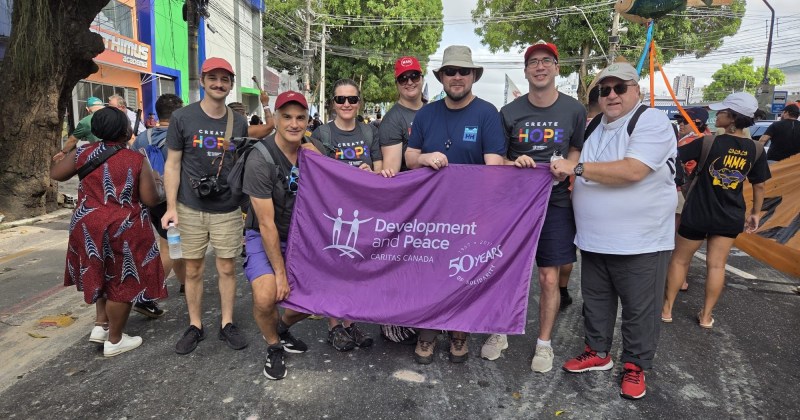
Development and Peace, Caritas Canada
Society of Saint Vincent de Paul
In a diocese as vast as Mackenzie–Fort Smith—where communities are separated by long distances, seasonal roads, and the realities of northern life—Catholic organizations do more than “support parish life.” They often become the connective tissue of the Church: building friendships across cultures, keeping faith active between visits from clergy, mobilizing practical help when needs arise, and forming leaders who can carry ministry forward in places where the Church must rely heavily on lay discipleship. In that sense, these organizations are not side projects. They are part of how the diocese remains present, pastoral, and rooted in hope across the North.
One of the most visible organizations in many Canadian dioceses is the Knights of Columbus. In the North, the Knights’ importance is often most clearly felt in steady service rather than big structures: practical help for parish events, fundraising that quietly keeps good works moving, and a dependable presence when a family is in need. In communities where there may be fewer volunteers to draw from, a small council (or even a few committed members) can make the difference between ministries that happen and ministries that fade. At their best, the Knights offer a model of Catholic men’s discipleship grounded in charity and fraternity—supporting priests and parishes, assisting with sacramental celebrations, and strengthening the social bonds that help a community remain resilient during hardship, grief, and long winters.
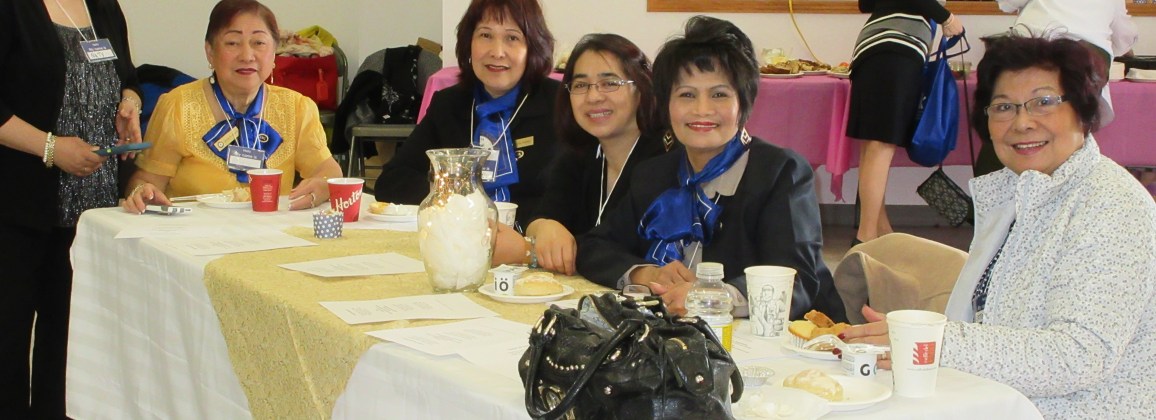
Alongside the Knights, the Catholic Women’s League has long been a cornerstone of parish life in many parts of Canada, and its spirit translates well to northern realities. The CWL’s strength is often its ability to notice what is needed before anyone makes a formal request: hospitality after Mass, care for elders, help for families welcoming a new child or mourning a loved one, and the steady work of building a parish into a true community. In a diocese like Mackenzie–Fort Smith, where people are frequently carrying heavy responsibilities and where isolation can weigh on the heart, the ministry of presence matters. Women’s leadership in the Church—expressed through prayer, service, and practical organization—helps ensure that faith is not only preached, but also felt in the warmth of a community that knows how to gather and care.
The Society of Saint Vincent de Paul is another organization whose mission fits the North with particular clarity. “Charity” in the Vincentian sense is not simply giving things; it is meeting people with dignity, listening without judgment, and helping in ways that respect local realities. In a region where the cost of living can be high, housing can be fragile, and emergencies can arise quickly, Vincentian ministry becomes an expression of the Gospel’s closeness to those who are struggling. When the Church is able to respond quietly and quickly—helping a family bridge a gap, supporting someone in crisis, visiting the lonely—it gives a powerful witness: that the love of Christ is not abstract, but personal, practical, and near.
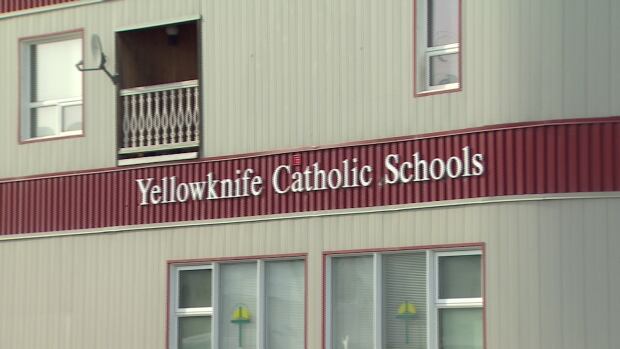
In northern communities, Catholic schools (where they exist) and school-linked organizations also play an important role in the life of the diocese. Even when a school is not explicitly “Church-run” in daily operations, Catholic education in the North can be a place where faith and culture meet in a formative way: supporting families, nurturing values of service and respect, and helping young people imagine a life of purpose. School communities often become hubs for parish life—venues for liturgies, seasonal celebrations, and community gatherings—especially in places where the parish infrastructure is limited. They also form future leaders: readers, musicians, catechists, and volunteers who carry what they learned into adulthood.


 Mackenzie-Fort Smith