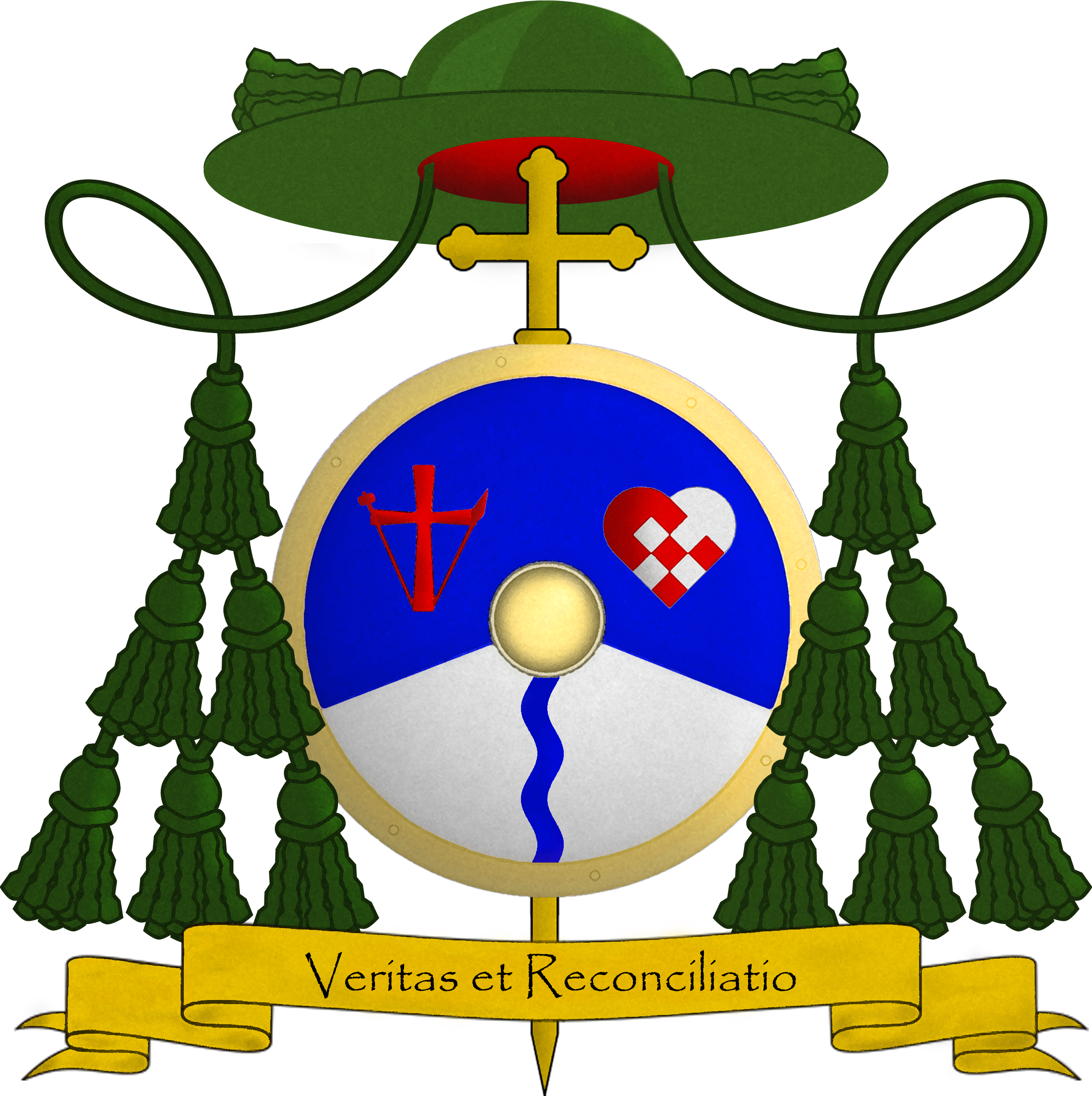

For the peoples of northern Canada, the land is not merely a backdrop to life but a living presence that shapes identity, memory, and hope.
Rivers, tundra, forests, and seasonal rhythms are not abstractions but teachers—sources of sustenance, spiritual meaning, and communal responsibility. Among many Indigenous communities of the North, the land is spoken of as a relative rather than a resource. Knowledge is carried in place names, hunting routes, and stories passed between generations. To walk the land is to remember who one is, to belong within a web of relationships that includes animals, waters, ancestors, and those yet to be born.
This deep relational understanding of the land resonates powerfully with Laudato Si’, Pope Francis’ landmark encyclical on care for our common home. In that document, the late Pope challenged the modern tendency to treat the earth as something to be dominated or exploited. Instead, he proposed an “integral ecology,” one that recognizes the profound connections between human dignity, social justice, and the natural world. What Indigenous peoples of the North have long lived and taught—that the health of the land and the health of the people are inseparable—finds strong affirmation in Francis’ insistence that “everything is connected.” Environmental degradation, he warned, always strikes the poor and the marginalized first, a truth painfully evident in northern communities facing climate change, disrupted wildlife patterns, and threats to traditional ways of life.
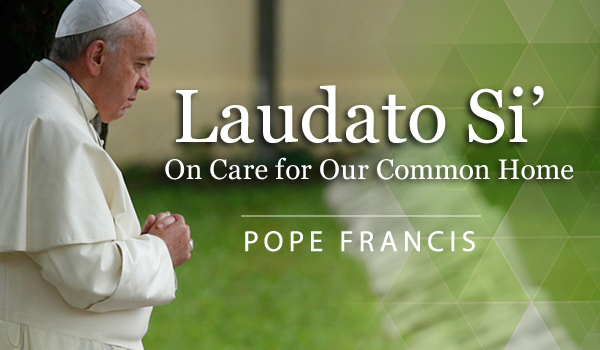
Laudato Si’ also invites a conversion of heart: a shift from ownership to stewardship, from indifference to gratitude. In this light, the wisdom of northern peoples becomes not merely cultural heritage but a prophetic witness for the wider world. Their attentiveness to the land, their restraint in taking only what is needed, and their reverence for creation echo the Pope’s call to recover a sense of humility before the gift of the earth.
Within this broader context, land acknowledgements take on deeper meaning in the journey of Truth and Reconciliation in Canada. When offered sincerely, they are more than ceremonial words. They are acts of truth-telling that recognize Indigenous peoples’ original and enduring relationship with the land, a relationship that was too often ignored or violently disrupted through colonization. Land acknowledgements remind settlers and institutions that the land carries history—both beauty and suffering—and that reconciliation must be grounded in place, not just policy.
By naming whose land we stand upon, we are invited to listen, to learn, and to accept responsibility for the past and present. In doing so, land acknowledgements can become small but meaningful steps toward restored relationships: between peoples, between cultures, and ultimately between humanity and the earth itself. In the spirit of Laudato Si’, they call us to a shared care for our common home—rooted in respect, justice, and hope for generations to come.
 Mackenzie-Fort Smith