
The Métis people of northern Canada are a distinct Indigenous nation whose identity emerged from the historic relationships between First Nations women and European fur traders, particularly during the eighteenth and nineteenth centuries. Over time, these families formed unique communities across the northern interior, especially along major waterways such as the Red River, the Mackenzie River, and the routes that linked Hudson’s Bay Company and North West Company trading posts. From these roots developed a shared culture, history, and sense of peoplehood that distinguishes the Métis from both First Nations and European societies.
Traditionally, Métis communities played a vital role in the northern fur trade economy. Skilled as voyageurs, interpreters, guides, hunters, and traders, Métis people were essential intermediaries between cultures. Their livelihoods combined Indigenous land-based knowledge with European technologies and customs, producing a way of life that was mobile, adaptable, and deeply tied to the rhythms of the land. Hunting, fishing, freighting, and seasonal travel supported both economic survival and cultural continuity.
Métis culture is marked by its richness and diversity. Distinctive forms of music, dance, storytelling, and craftsmanship—such as fiddle music, jigging, and intricate beadwork—express a strong sense of identity and belonging. Oral history, kinship ties, and community networks have long been central to the transmission of Métis knowledge and values, particularly in the face of displacement and marginalization.
The history of the Métis in northern Canada has also been shaped by struggle. As colonial expansion increased, Métis communities often found themselves excluded from treaties and land protections extended to other groups. This led to widespread dispossession and social hardship. Despite this, Métis people persistently asserted their rights and identity. In recent decades, legal recognition and political organization have strengthened Métis self-government and cultural renewal, affirming their status as one of Canada’s Indigenous peoples.
Today, Métis communities across northern Canada continue to balance tradition and modern life. Through cultural revitalization, education, and governance, they maintain a strong connection to their heritage while contributing to the social and economic life of the North. The Métis story is one of resilience, adaptability, and enduring identity, rooted in a shared past and carried forward by a living culture.
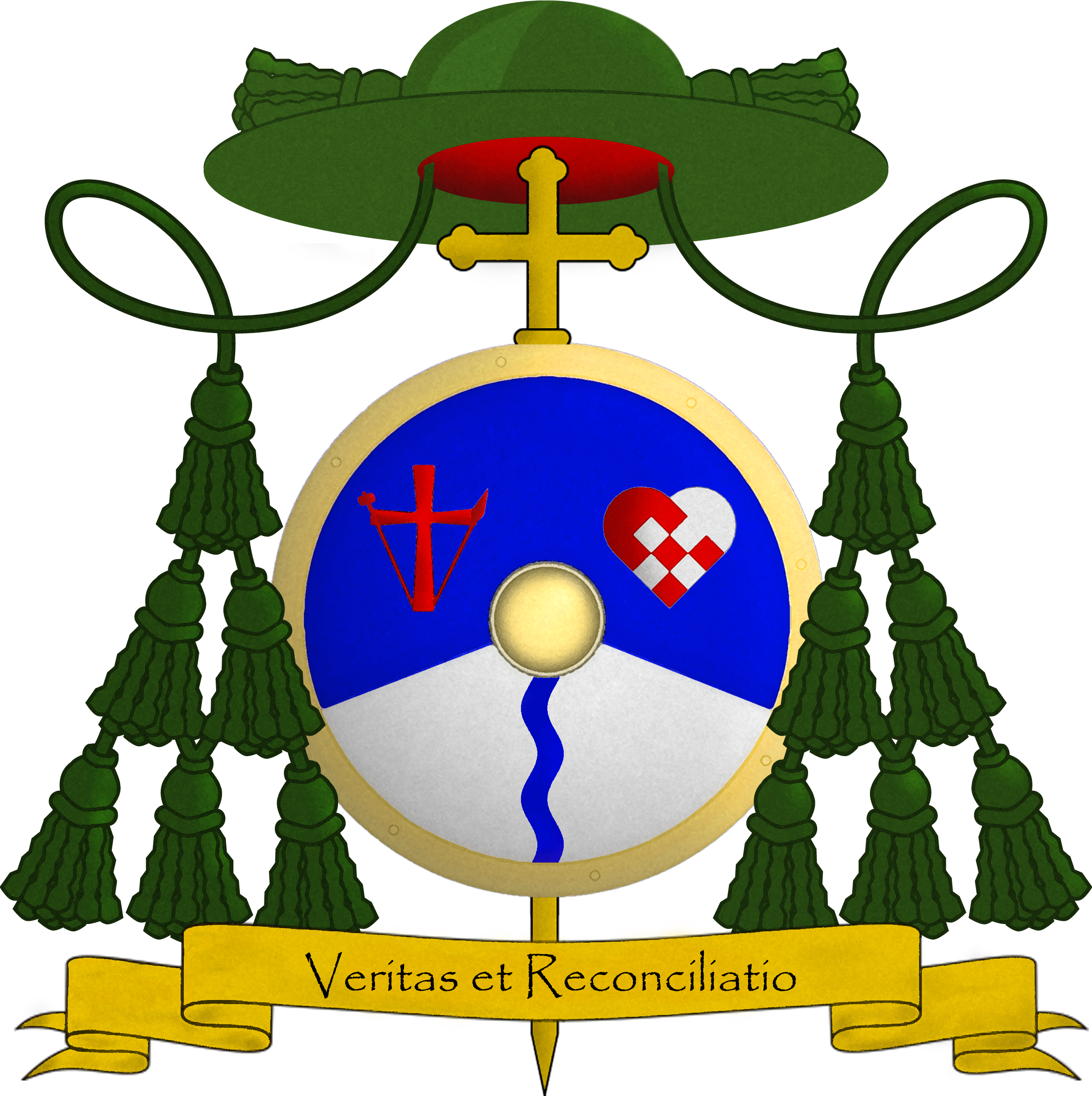
 Mackenzie-Fort Smith